
Connected preventive health
Measure at home, understand a trend, act before a problem sets in: the Chutex approach to prevention, with sourced benchmarks, five devices and human support, always alongside health professionals.
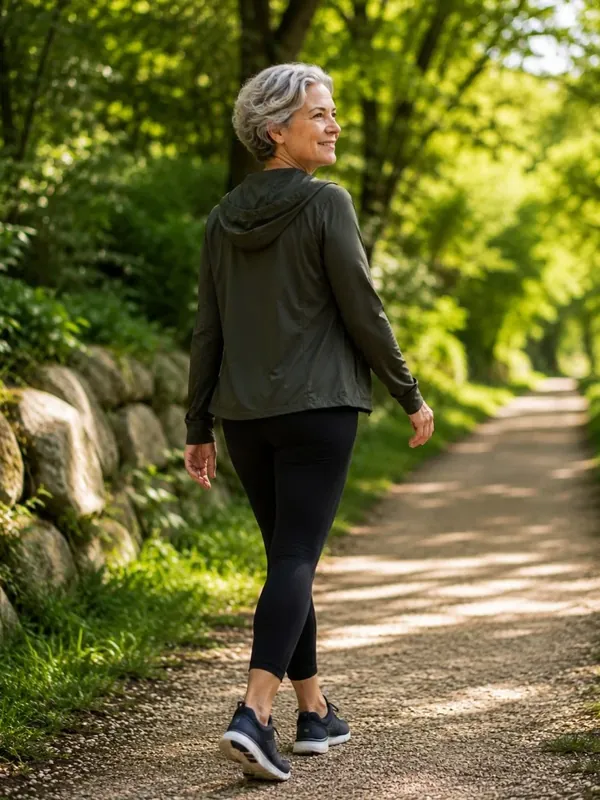
Connected health prevention means measuring a few simple signals at home, sleep, heart, activity, body composition, posture, tracking their trend over time and acting early. According to the WHO, at least 150 minutes of moderate physical activity per week reduces the risk of all-cause mortality, cardiovascular disease and falls.
Key figures
150 min
of moderate physical activity per week at a minimum for an adult, the global benchmark
Source : WHO, physical activity fact sheet
31%
of adults worldwide, 1.8 billion people, did not reach this benchmark in 2022
Source : WHO, physical activity fact sheet
6 hours 42 minutes
of sleep on average per weeknight among adults in France in 2017, below the 7 hours usually recommended
Source : Inserm, based on the Santé publique France barometer
174,824
fall-related hospital admissions among people aged 65 and over in France in 2024, up 20.5% from 2019
Source : Santé publique France, 2024 bulletin
5
Chutex devices that measure at home, none of which makes a diagnosis
Source : Chutex product pages
What is connected health prevention?
Connected health prevention is the use of connected objects and an app to track, day after day, wellness indicators that used to be measured only in a doctor’s office, or not at all: resting heart rate and its variability, sleep duration and regularity, step count, body composition, posture. The point is not the single measurement, it is the trend: knowing whether you have been sleeping worse for three weeks, whether muscle mass is falling, whether recovery is getting worse.
Chutex defines itself as a digital longevity clinic: devices that measure, an app that connects, human services that support. The indicators it produces are wellness and prevention indicators. No Chutex device diagnoses, treats or cures; Elder is personal protective equipment, not a medical device. Diagnosis, treatment and medical follow-up remain the responsibility of health professionals.
This page gives the sourced reference benchmarks, explains what to measure and with what, how to read a trend, and which human support services exist in the app. The device pages detail what each one measures and does not measure.
Which signals to track at home, and with what?
Six areas cover the essentials of everyday prevention. For each one, the table shows the indicator tracked, the Chutex device that reports it in the app, and what the measurement does not tell you. The last column matters as much as the others: it keeps a sensor from being made to say what it does not know.
| Area | Indicators tracked | Device | What the measurement does not tell you |
|---|---|---|---|
| Heart and recovery | Resting heart rate, heart rate variability, SpO₂, on-demand heart-rhythm trace, stress indicator | Elio | Does not diagnose arrhythmia and does not measure blood pressure: a rhythm indicator, not a diagnosis |
| Sleep | Duration, regularity, estimated phases, overnight breathing indicators, skin temperature | Elio | No sleep apnea diagnosis: polysomnography remains the reference test |
| Activity and fitness | Steps, activity, VO2max estimate, counted sessions | Elio, Model I | No exercise stress test and no medical clearance for sport |
| Body composition | Weight, body fat, muscle mass, body water, estimates by 8-electrode bioimpedance | Vita | Indicative estimates, not a reference measurement such as absorptiometry |
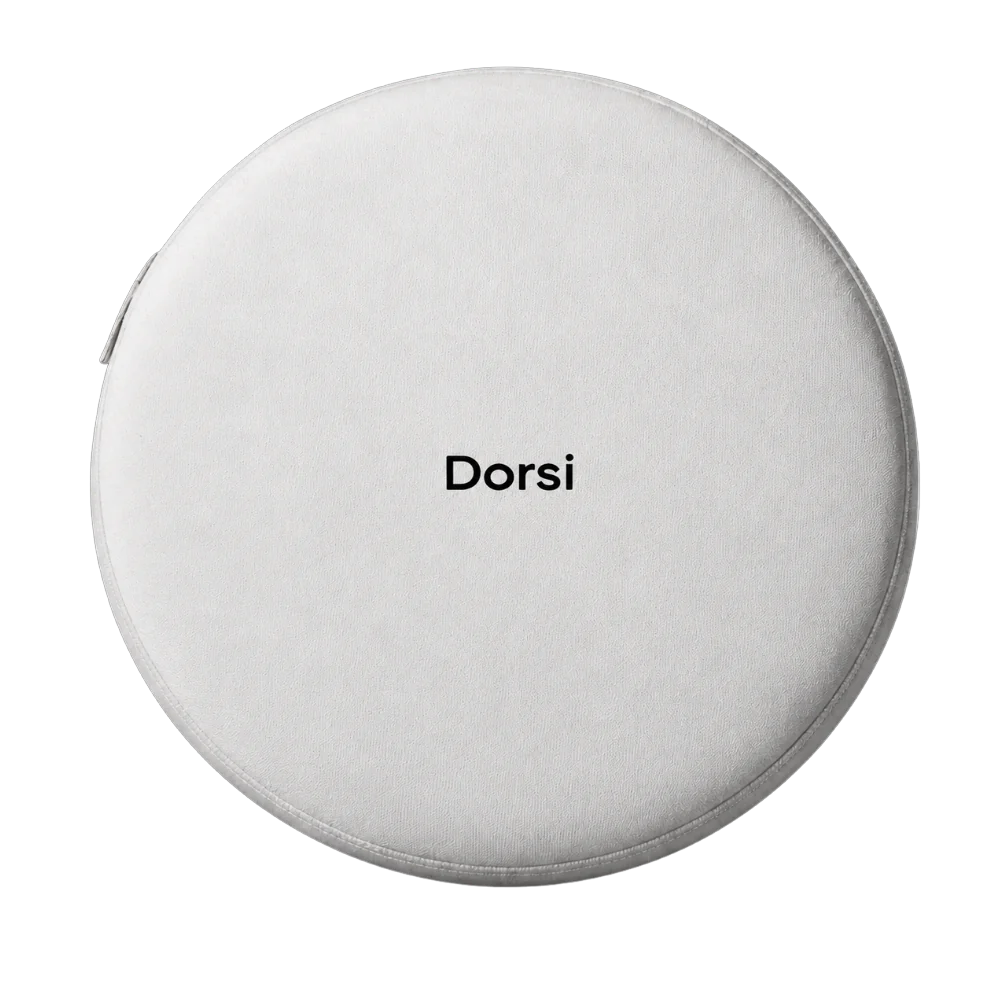
| Posture and back | Posture reminders, guided mobility programs, indicative reports | Dorsi | Dorsi does not treat low back pain or sciatica |
| Falls and independence | Detection of a fall in progress and airbag deployment, alerts to loved ones, voice check and alert chain | Elder, Care | Elder does not prevent the fall and does not call the emergency services; Care is not medical remote monitoring |


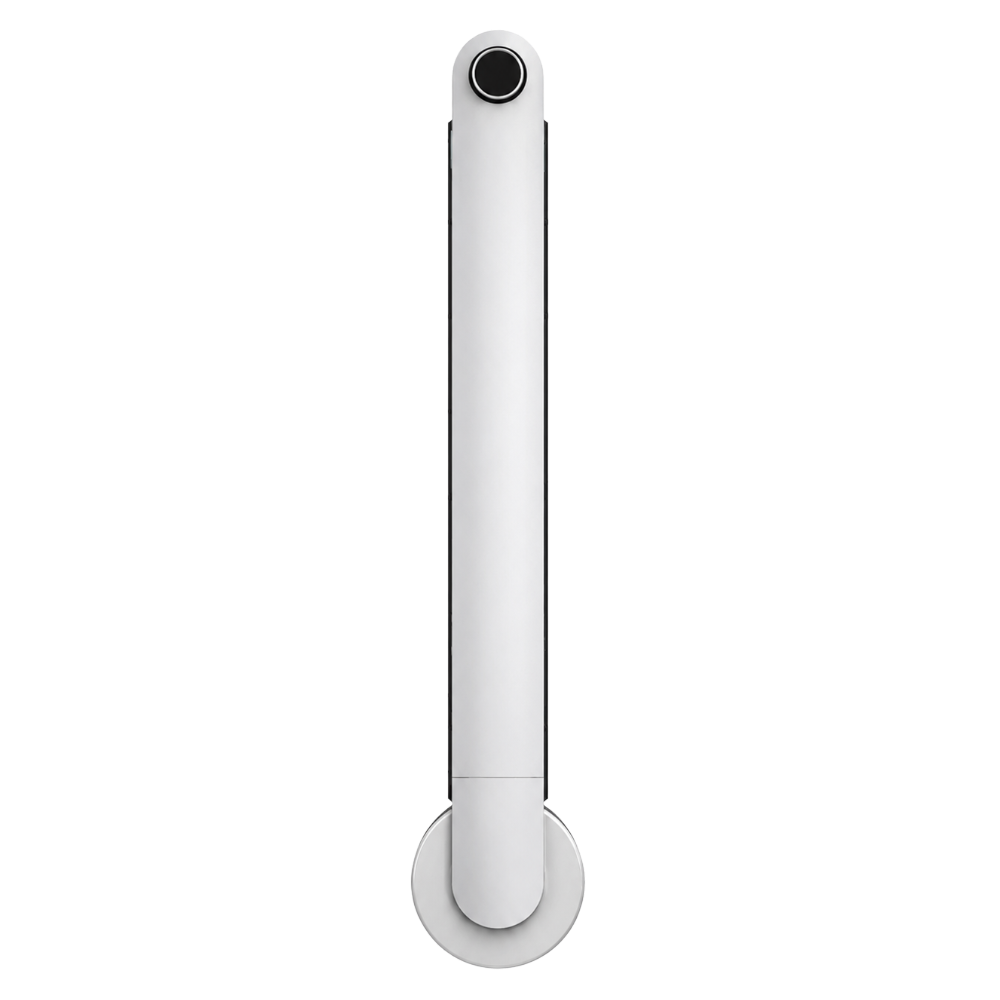 Wall pulley
Modèle I
Strength and mobility at home, 2 to 50 kg (4 to 110 lb), guided sessions.
Modèle I
Which reference benchmarks to keep in mind?
An indicator is only meaningful when compared with a benchmark. The benchmarks below come from institutional sources, with their year and their scope; the WHO’s global figures are not French figures, and the Santé publique France figures concern France. Each row names its source.
According to the WHO, an adult should do at least 150 minutes of moderate-intensity physical activity per week; in 2022, 31% of adults worldwide, 1.8 billion people, did not reach this benchmark, five points higher than in 2010. According to Inserm, drawing on the Santé publique France barometer, adults in France slept an average of 6 hours 42 minutes per weeknight in 2017, below the 7 hours usually recommended, and 36% of people aged 18 to 75 slept less than 6 hours.
According to Santé publique France, 174,824 fall-related hospital admissions were counted among people aged 65 and over in France in 2024, up 20.5% from 2019, and 20,148 people aged 65 and over died in connection with a fall, up 18%. The hospital admission rate is 8.6 times higher among people aged 85 and over than among those aged 65 to 74. Worldwide, the WHO estimates that 684,000 people die from falls each year; falls are the second leading cause of unintentional injury death.
| Benchmark | Value | Scope | Source |
|---|---|---|---|
| Moderate physical activity, adult | at least 150 minutes per week | Worldwide, recommendation | WHO, physical activity fact sheet |
| Physically inactive adults | 31%, 1.8 billion people | Worldwide, 2022 | WHO, physical activity fact sheet |
| Average adult sleep, weeknight | 6 hours 42 minutes | France, 2017 | Inserm, Santé publique France barometer |
| Daily sleep usually recommended | 7 hours at a minimum | Adults | Inserm, sleep dossier |
| Adults sleeping less than 6 hours | 36% of people aged 18 to 75 | France, 2017 | Inserm, Santé publique France barometer |
| Fall-related hospital admissions, 65 and over | 174,824, up 20.5% since 2019 | France, 2024 | Santé publique France |
| Fall-related deaths, 65 and over | 20,148, up 18% since 2019 | France, 2024 | Santé publique France |
| Hospital admission after a fall, 85 and over versus 65 to 74 | rate 8.6 times higher | France, 2024 | Santé publique France |
| Deaths from falls | 684,000 per year, second leading cause of unintentional injury death | Worldwide | WHO, falls fact sheet |
How do you turn a measurement into a trend?
A single measurement says little: a slightly high resting heart rate after a bad night is not an alert, while the same heart rate staying high for two weeks deserves attention. For a trend to be readable, the measurement must be comparable from one day to the next. The home protocol comes down to four rules: weigh yourself in the morning, on an empty stomach, after using the bathroom, on the same scale; wear the band at night so that heart rate variability and sleep are measured at rest; note the events that explain a deviation, travel, illness, a late night; look at the curve over several weeks rather than the day’s value.
In the app, Aria organizes your history to bring out trends and departures from your habits: it compares recent measurements with your own profile and tells a one-off deviation from a continuous change, for instance sleep that worsens over several consecutive nights or a resting heart rate that stays high. It explains this without making a diagnosis, and it is up to you, or your doctor, to decide what comes next.
The longevity passport gathers these curves, your check-ups and your test results if you add them, and exports as a PDF for a consultation. Sharing a six-week trend with your doctor is often more useful than a measurement taken in the waiting room.

Fall prevention: what depends on you, what Elder and Care do
According to the HAS and Assurance Maladie, falls among older people often happen at home and during everyday activities; adapting the home remains a priority lever, and a fall can lead to a loss of independence and to post-fall syndrome, a fear of falling again and reduced activity. A lower risk of falls in older adults is among the benefits the WHO associates with regular physical activity.
Elder is an airbag vest, category II personal protective equipment with CE marking: it detects a fall in progress and deploys an airbag before impact to cushion the vital areas, head, neck, back, pelvis, hips and femoral neck, then alerts loved ones through the app. It does not prevent the fall, does not guarantee the absence of a fracture and does not call the emergency services. Chutex Care adds the alert chain: the SOS button on the Elio 4G band, Aria’s voice check, guardians notified, and in France escalation to a partner home-care company. Care is not medical remote monitoring and does not replace the emergency services.
- Adapt the home: lighting, rugs, bathroom, footwear; this is the lever the HAS and Assurance Maladie put first.
- Maintain strength and balance: the WHO counts fewer falls among the benefits of regular physical activity in older adults.
- Equip to cushion and alert: Elder for the impact and the alert to loved ones, Care for the voice check and the intervention.
- Call the emergency services after a fall with an injury or feeling unwell: 911 in the United States, 999 or 112 in the United Kingdom and Ireland.
Which human support services are in the app?
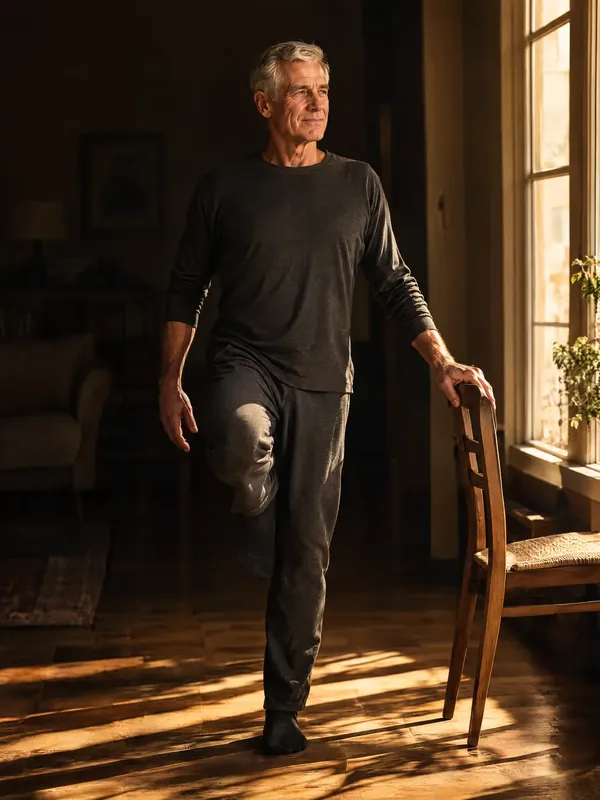
Measuring is not always enough; the app connects the indicators to human services. Chutex Care, a 4G connected telecare service available in France only, includes the Elio 4G band, Aria, alerts to guardians and, in France, the included medical teleconsultation and the home-care network. Chutex Sport puts your program in the hands of a state-certified sports coach, and Chutex Physio puts your exercise program in the hands of a dedicated physiotherapist; both are adjusted to the sleep, heart rate variability and training load measured by Elio, and both open soon in France. Chutex Memory, coming soon, keeps and structures your memories with Aria.
Each service has its own truth page, with its exact content, its availability by country and its price. Medical teleconsultation and the home-care network depend on the country; everything else is identical everywhere.
| Service | What it brings to prevention | Availability |
|---|---|---|
| Care | Alerts, voice check by Aria, guardians, 4G SOS | France only, with doctors and home care |
| Doctors | Medical teleconsultation included in Care, to consult | France only |
| Sport | Program, nutrition, monthly review by a state-certified coach | Coming soon, France first |
| Physio | Exercise program and follow-up by a dedicated physiotherapist | Coming soon, France first |
| Memory | Life memory with Aria, structured narrative | Coming soon |
Which path for your situation?
The right starting point depends on the goal. An older person living alone, or their loved ones, will start with fall prevention and the alert chain: Elder, Care, the guardian space. An athlete will start with recovery and training load: Elio, Model I, then Sport. Someone who wants to lose weight for good will start with body composition and activity: Vita, Elio, then the nutrition support in Sport. Someone with back pain from office work will start with posture: Dorsi, then Physio.
Professionals, whether physiotherapists, osteopaths, coaches or home-care services, have a dedicated page and a partner program. In every case, the app is the common thread: it is free and works with or without a device.
| Situation | Priority | Where to start |
|---|---|---|
| Older person and loved ones | Falls, independence, alerts | Elder and Care, guardian space in the app |
| Athlete | Recovery, training load, progress | Elio and Model I, then Sport |
| Lasting weight loss | Body composition, activity, nutrition | Vita and Elio, then Sport |
| Back and posture at the office | Posture, lower-back mobility | Dorsi, then Physio |
In which countries and languages?
The devices, the app, Aria, alerts, guardians and prevention are identical in every country served by the website. Two features depend on the country because they are regulated or operated locally: medical teleconsultation and the home-care intervention network, currently available in France. The health benchmarks cited here keep their scope: France for Santé publique France, worldwide for the WHO.
The website exists in twelve languages, with the same pages everywhere; the app follows the language of the phone. Financial aid, reimbursements and medical frameworks specific to a country are flagged as such on the pages concerned.
When should you see a health professional?
Prevention indicators are useful well before a trend becomes a symptom, but they do not replace a consultation. A new symptom, chest pain, unusual shortness of breath, feeling unwell, a fall, unintended weight loss, sleep that stays poor or a trend that worries you are reasons to see a health professional. In France, the teleconsultation included in Care lets you talk to a doctor; everywhere, your regular doctor remains your point of contact for follow-up.
In a life-threatening emergency, call the emergency services before anything else: 911 in the United States, 999 or 112 in the United Kingdom and Ireland. Neither Aria, nor the app, nor the devices call the emergency services on your behalf.
This information does not replace the advice of a health professional. The indicators from the devices and from Aria are wellness and prevention indicators, not diagnostic data.
Frequently asked questions
- Does Chutex replace medical follow-up?
- No. Chutex offers wellness and prevention indicators and human support services. Diagnosis, treatment and medical follow-up belong to health professionals; in France, the teleconsultation included in Care lets you talk to a doctor.
- Are Chutex devices medical devices?
- No. Elio, Vita, Dorsi and Model I are wellness and prevention objects; Elder is category II personal protective equipment with CE marking. None of them makes a diagnosis.
- How much physical activity per week?
- According to the WHO, at least 150 minutes of moderate-intensity physical activity per week for an adult. In 2022, 31% of adults worldwide did not reach this benchmark.
- How many hours of sleep do you need?
- According to Inserm, at least 7 hours a day are usually recommended for an adult; in France, average weeknight sleep was 6 hours 42 minutes in 2017 according to the Santé publique France barometer.
- How does Chutex help prevent falls?
- Elder cushions the impact and alerts loved ones after deployment; Care provides the voice check by Aria, notifies the guardians and, in France, dispatches a partner home-care service. Neither one prevents the fall: adapting the home and physical activity remain the first levers according to the HAS and Assurance Maladie.
- Where should I start?
- With the app, which is free, then with the device that matches your goal: Elio for heart, sleep and activity, Vita for body composition, Dorsi for posture, Model I for strength, Elder and Care for falls and alerts.
- Do the benchmarks cited apply to my country?
- The WHO benchmarks are global; those of Santé publique France and Inserm concern France. Financial aid and medical frameworks specific to your country are flagged as such on the pages concerned.
- What does Aria do with my measurements?
- Aria organizes your history, brings out trends and departures from your habits and explains them, without making a diagnosis. You decide what you share, with whom, and you can withdraw it.
Go further
Sources
- 1.World Health Organization, “Physical activity” fact sheet: 150 minutes per week recommendation, share of inactive adults in 2022
- 2.World Health Organization, “Falls” fact sheet: 684,000 deaths per year worldwide, second leading cause of unintentional injury death
- 3.Inserm, “Sleep” dossier: average sleep time of adults in France (Santé publique France barometer 2017), 7-hour benchmark
- 4.Santé publique France, fall-related hospital admissions and deaths among people aged 65 and over, 2015 to 2024 data
- 5.Haute Autorité de santé, prevention of falls in older people
- 6.Assurance Maladie, how to prevent falls among older people
- 7.European Commission, the European emergency number 112
- 8.Elder CE certificate, category II personal protective equipment, notified body RICOTEST 0498
The devices that measure
Elio, Vita, Model I, Elder and Dorsi: five truth pages, with what each one measures, what it does not measure, and its price.