United States · Guide · Updated 2026-10-01
Best smart home gym in 2026: wall-mounted cable machines compared
A smart home gym in 2026 usually means a wall-mounted cable machine with electronically controlled resistance and a screen or app that guides the workout. The real differences are the resistance system (electromagnetic, motorized or elastic), the range and step of resistance, whether the machine is wall-mounted or freestanding, whether the app is included or a monthly subscription, and the true three-year cost. This guide explains each criterion, the wall and safety constraints people forget, and where the Chutex Model I wall pulley fits.
What « smart » adds to a cable machine
A classic cable machine uses a weight stack. A smart cable machine replaces it with an electronically controlled motor or electromagnet, so resistance can be changed in one-kilogram (or two-pound) steps from the handle or the app, kept constant through the movement, and adjusted per exercise. The app counts sets, times rest and proposes programmes. Some machines add a large screen with live or on-demand classes; others rely on your phone or tablet.
Resistance: range, step and feel
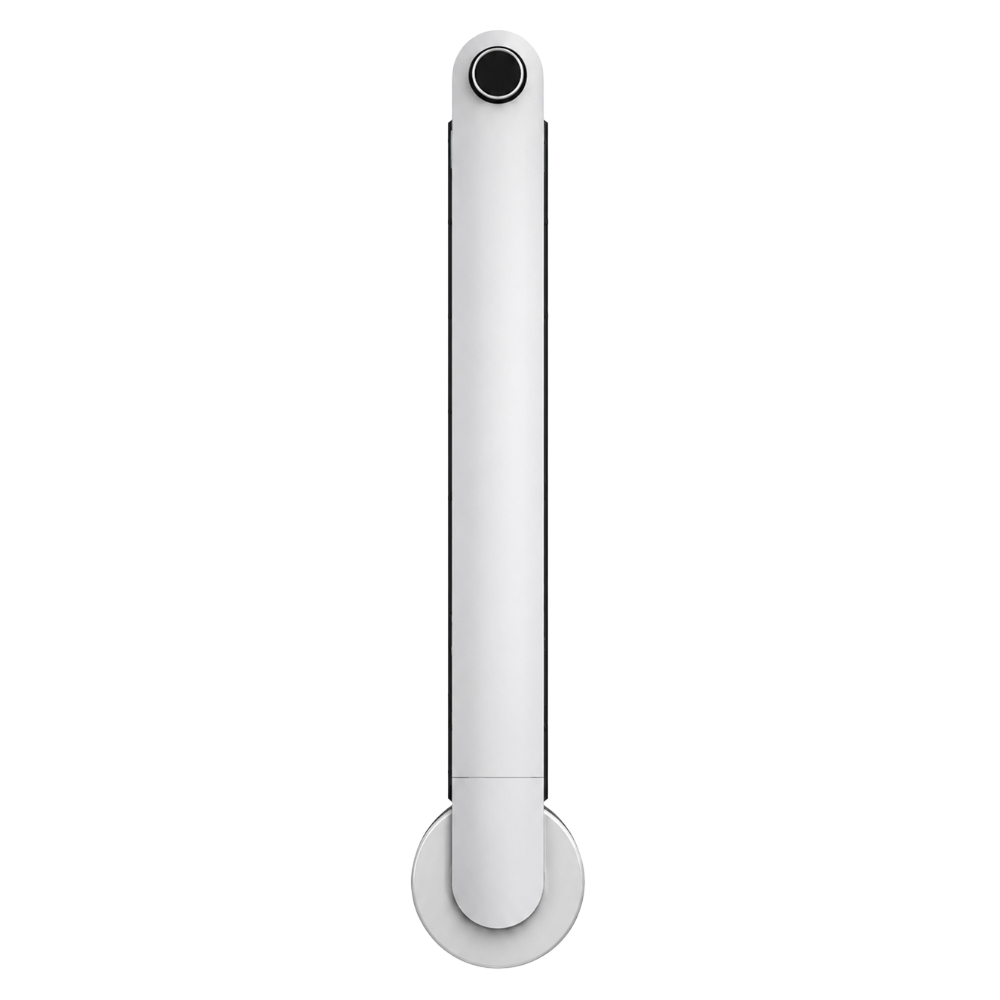
Check the maximum per arm and the minimum step. Rehabilitation, older adults and upper-body work need very light loads (2 kg / 4 lb) and small steps; strength work needs 50 kg (110 lb) or more per arm. Electromagnetic systems are silent and can add « modes » (eccentric overload, chains); motorized pulleys are simpler and cheaper. The Chutex Model I offers 2 to 50 kg of motorized resistance with 2 kg minimum steps, which covers mobility work and general strength for a household, a coaching studio or a senior residence, with appropriate supervision.
Wall-mounted or freestanding
Wall-mounted machines have no floor footprint: they suit apartments and shared rooms. They require a load-bearing wall or a compatible support and a proper mounting kit; a stud wall without reinforcement is not enough. Freestanding towers avoid the wall question but take one to two square metres and are heavier to move. Model I is wall-mounted (mounting kit included) and must be installed on a load-bearing wall or compatible support.
Subscription or one-time: the three-year cost
This is where smart home gyms differ most. Several well-known screens-and-cables machines cost $3,000 to $4,000 upfront plus a mandatory or near-mandatory membership of $40 to $60 per month; over three years that is $4,500 to $6,000 or more, and the machine may lose features if you cancel. Others sell the hardware with a free basic app and a paid premium tier. Model I is a one-time purchase at $1,990 with 180+ guided exercises included in the Chutex app (counted sets, timed rest), no VAT (export from France), free shipping to the United States, duties if any on delivery (DAP), 2-year warranty. Some video programmes may be added to the app over time.
Safety and who it is for
Cable training is joint-friendly and scalable, which is why it is common in physio clinics and senior living. But a machine at home does not replace a professional: if you are fragile, in pain, recovering from surgery, pregnant or in supervised rehabilitation, adapt the programme with a health professional. Model I is connected strength and mobility equipment: it is not a physiotherapy or medical device, it does not treat any condition and it does not prevent falls. Bluetooth radio may exist as hardware, but BLE training telemetry is not implemented.
Checklist before you buy
Resistance range and minimum step; wall requirements and who installs it; footprint; what the app includes without paying monthly; three-year cost including membership; warranty and spare parts; sharing with a coach or physio (Model I exports sessions as PDF); and honest wording about health claims.
Frequently asked questions
What is the best smart home gym in 2026?
It depends on budget and space. Screen-based machines offer classes but cost $3,000–4,000 plus a monthly membership; wall-mounted motorized pulleys such as the Chutex Model I ($1,990 one-time, 2–50 kg, 180+ guided exercises included) cost less over three years and take no floor space. Compare resistance range, wall requirements and three-year cost.
Is a wall-mounted cable machine safe for an apartment wall?
Only on a load-bearing wall or a compatible support, with the supplied mounting kit. A standard stud wall without reinforcement is not enough. When in doubt, have a professional install it.
Does Model I need a subscription?
No. Model I is a one-time purchase at $1,990; base guided programmes (180+ exercises, counted sets, timed rest) are included in the Chutex app. Some video programmes may be added over time.
Is Model I a Tonal or Tempo alternative?
It is a different category: a wall-mounted motorized pulley without a built-in screen, at $1,990 one-time and no membership. Compare three-year cost, resistance range, wall requirements and the Chutex ecosystem (Elio band, Vita scale, Dorsi cushion in the same app).
Is Model I a physiotherapy device?
No. Model I is connected strength and mobility equipment. It does not diagnose or treat any condition, does not replace a physical therapist or a rehab prescription, and does not prevent falls.
Related
Model I wall-mounted cable machine: 2–50 kg motorized resistance ($1,990, one-time) · Wall pulley exercises: 12 cable movements for strength and mobility at home · All US guides · Chutex United States