
Longevity
Longevity: living longer, in good health
Living a long life and staying well for as long as possible: what longevity medicine looks at, how to read your own trends, and who stands behind Chutex.
Meet our doctors Prevention and connected health

Longevity means living a long life and staying in good health for as long as possible, which doctors call healthspan. Longevity medicine focuses on prevention: sleep, movement, nutrition and social ties, followed through trends and reference points rather than single numbers. Chutex is a digital longevity clinic that explains these trends; it does not diagnose or treat.
Key figures
- 1 in 6 people in the world will be aged 60 or over by 2030 (Source : WHO, Ageing and health fact sheet, 1 October 2025)
- 150 min of moderate physical activity per week: the minimum recommended by the WHO for adults (Source : WHO, Physical activity fact sheet, 4 November 2026)
What are longevity and longevity medicine?
Longevity is the length of a life. Healthspan is the part of it lived in good health, without limits in daily activities. Longevity medicine focuses on that second part, mostly through prevention, long before any illness appears.
It is neither a promise to live to 120 nor a treatment. It is a way of looking after your health every day: understanding where you stand, what is changing, and which habits are worth keeping.
Preventive and predictive health: trends and reference points
Preventive health acts before a problem appears: staying active, sleeping well, eating well, keeping in touch with others and attending the check-ups your doctor recommends. Predictive health looks at the direction things are taking: a resting heart rate that drifts, a sleep that gets shorter week after week.
At Chutex, predictive health always means trends and reference points. The app shows a direction in plain words and what is worth discussing with a health professional, never a forecast of illness, and it never replaces a consultation.
Estimated biological age: an estimate, not a measurement
Biological age is a way of describing how well the body is doing, which can differ from the age on your passport. The estimated biological age in the Chutex app is always an estimate, built from your own indicators and shown with a margin: a reference point to follow over time, never a diagnosis.
The four habits: sleep, movement, nutrition and social ties
Four habits sit at the centre of longevity medicine. They are within everyone’s reach, and each one can be followed as a trend.
- Sleep: regular and long enough. The Elio band follows duration and regularity as trends, without diagnosing anything.
- Movement: the WHO recommends at least 150 minutes of moderate physical activity per week for adults, and walking counts.
- Nutrition: varied meals at steady times. With the Vita scale, the app shows how weight and body composition evolve, as indicative estimates.
- Social ties: staying in touch with family and friends. In the app, you share what you choose with the people you choose, and consent can be withdrawn at any time.
Growing older in good health: healthspan
Living longer does not always mean living better. Healthy life years, an indicator published by Eurostat, count the years lived without limitation in daily activities, and they are fewer than the years of total life expectancy.
Reading your own trends early helps you notice a change and talk about it with a health professional. See your doctor for any warning sign, such as persistent chest pain, shortness of breath or sudden weakness: this page does not replace a consultation.
Longevity figures in your country
Figures come from official statistics. Healthy life years rely on people reporting their own limitations, so they cannot be compared one to one between countries.
Who are our doctors?
Chutex has a scientific committee: a medical director (anaesthetist and intensive care physician, longevity medicine), two general practitioners and a sports physiotherapist. Committee members do not endorse or recommend any product and give no individual medical advice through the site.
Their roles, and how the committee works, are described on the page about our doctors.
Devices and services that follow your trends
Every device feeds the same Chutex app, where Aria explains your trends in plain words. None of them diagnoses, and each has its own page saying what it does and what it does not do.
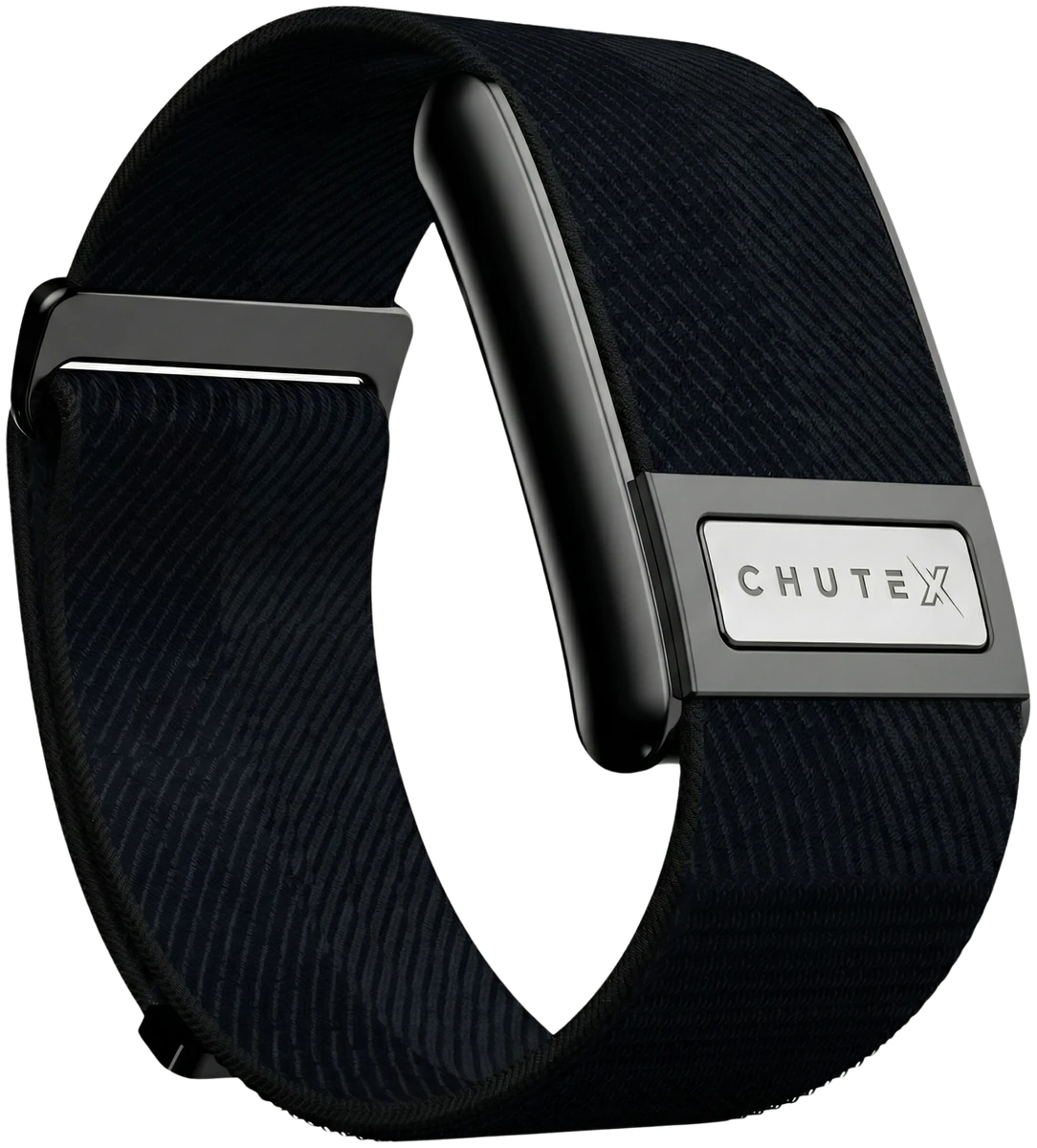
Health band
Elio
Heart rate, sleep, activity and recovery; it does not detect falls.
Elio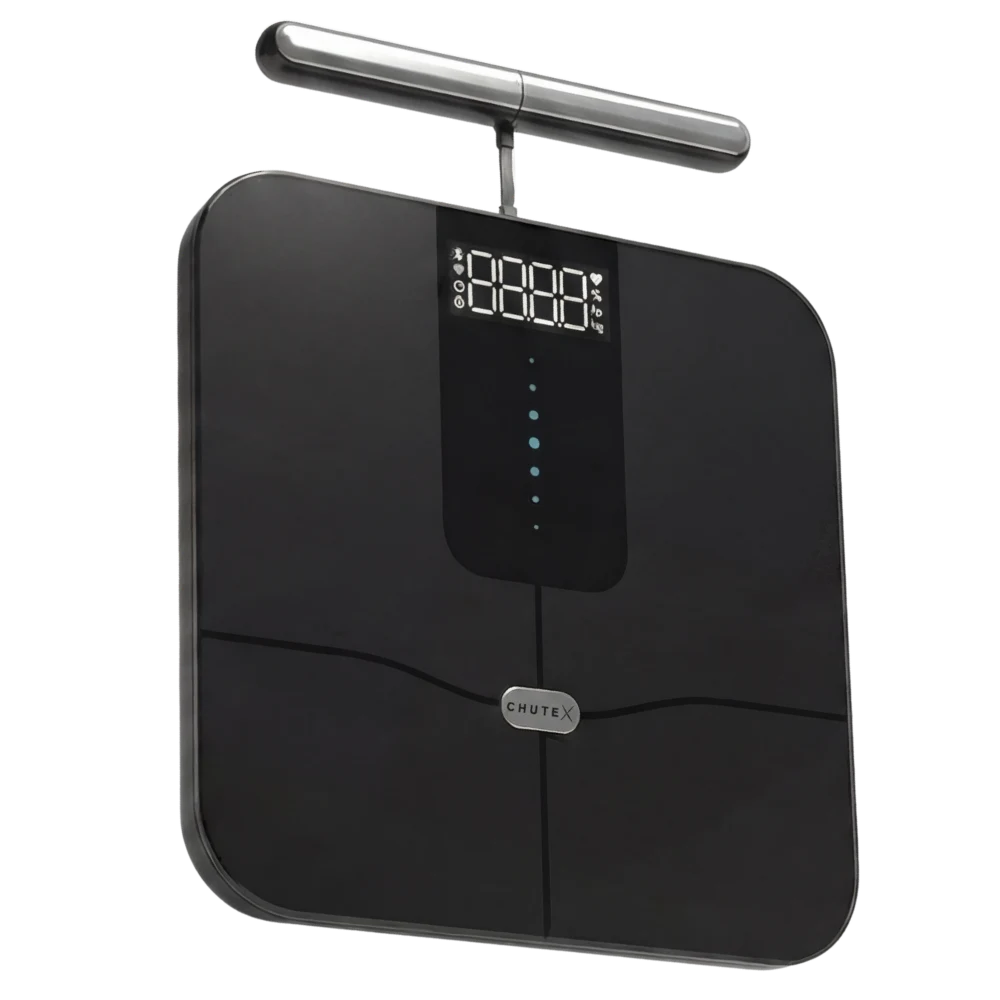
Connected scale
Vita
Weight and body composition, indicative estimates.
Vita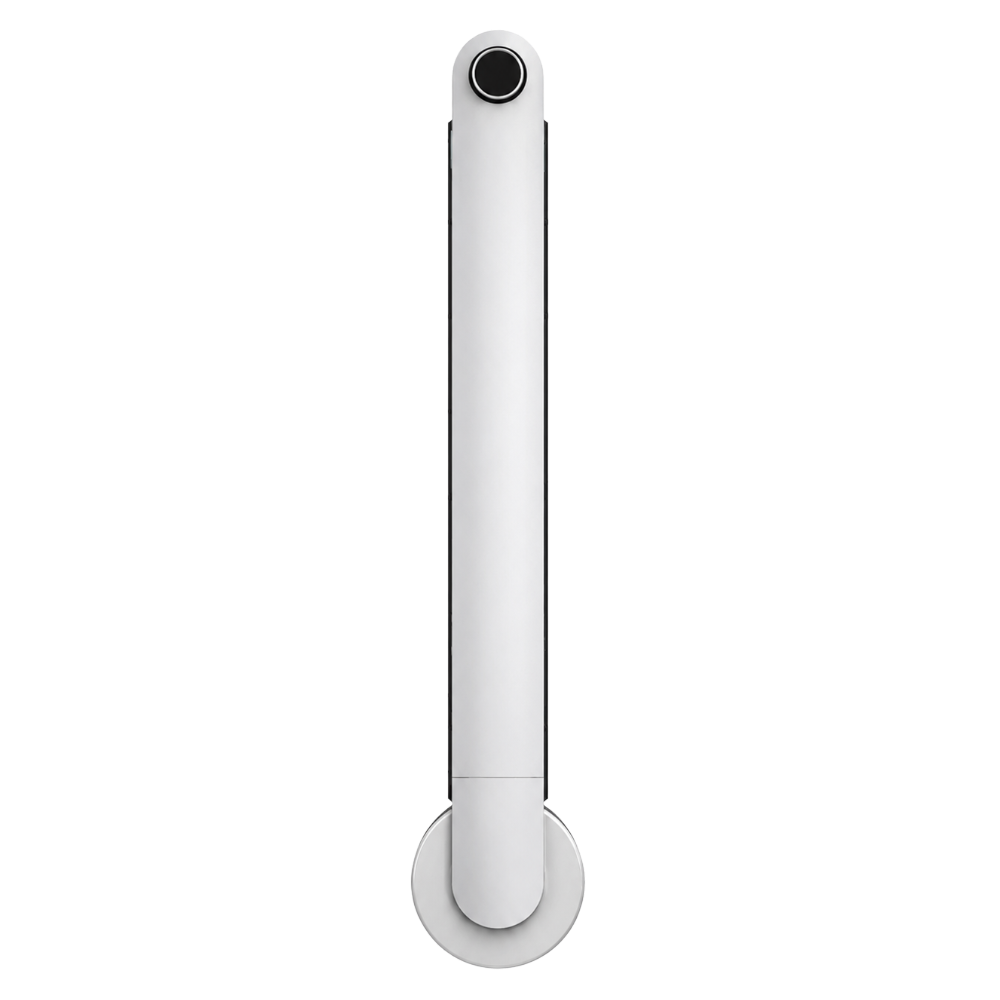
Wall pulley
Modèle I
Maintaining strength at home, 2 to 50 kg (4 to 110 lb), exercise equipment.
Modèle I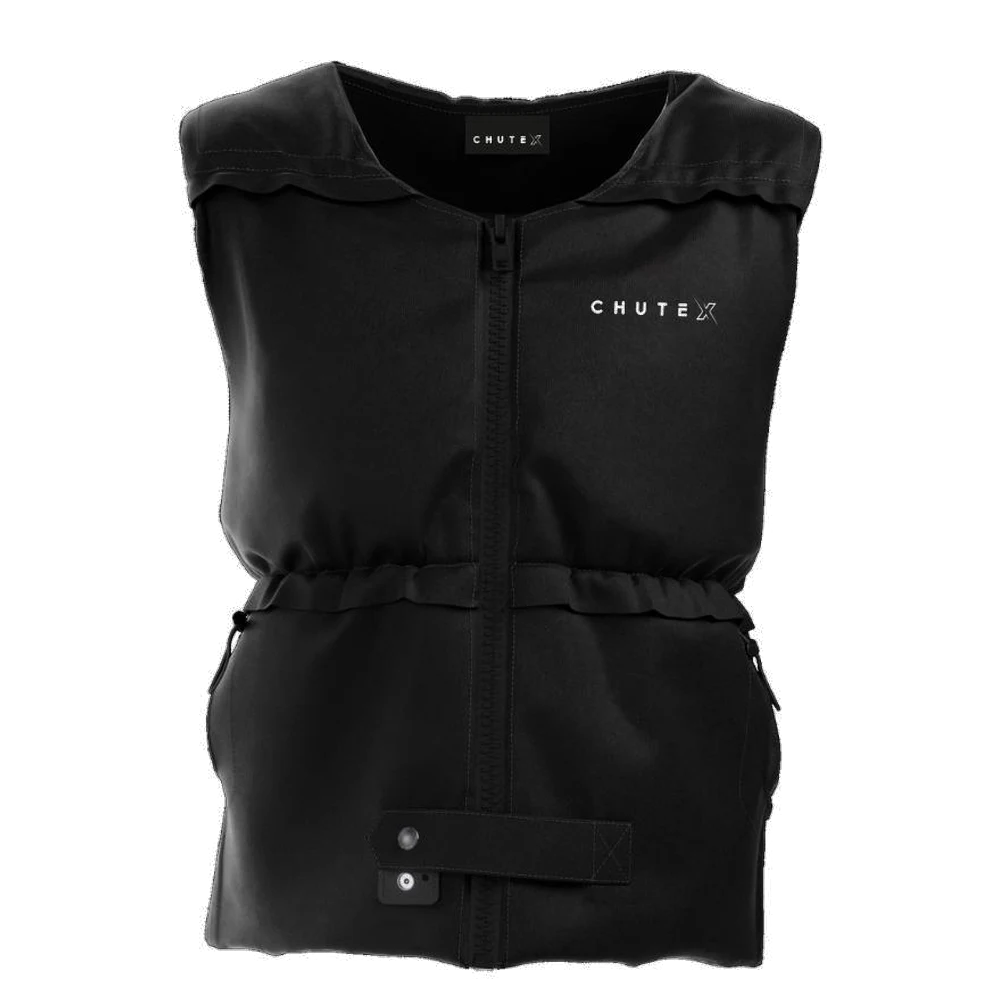
Airbag vest
Elder
Category II personal protective equipment: cushions the impact, does not prevent the fall.
Elder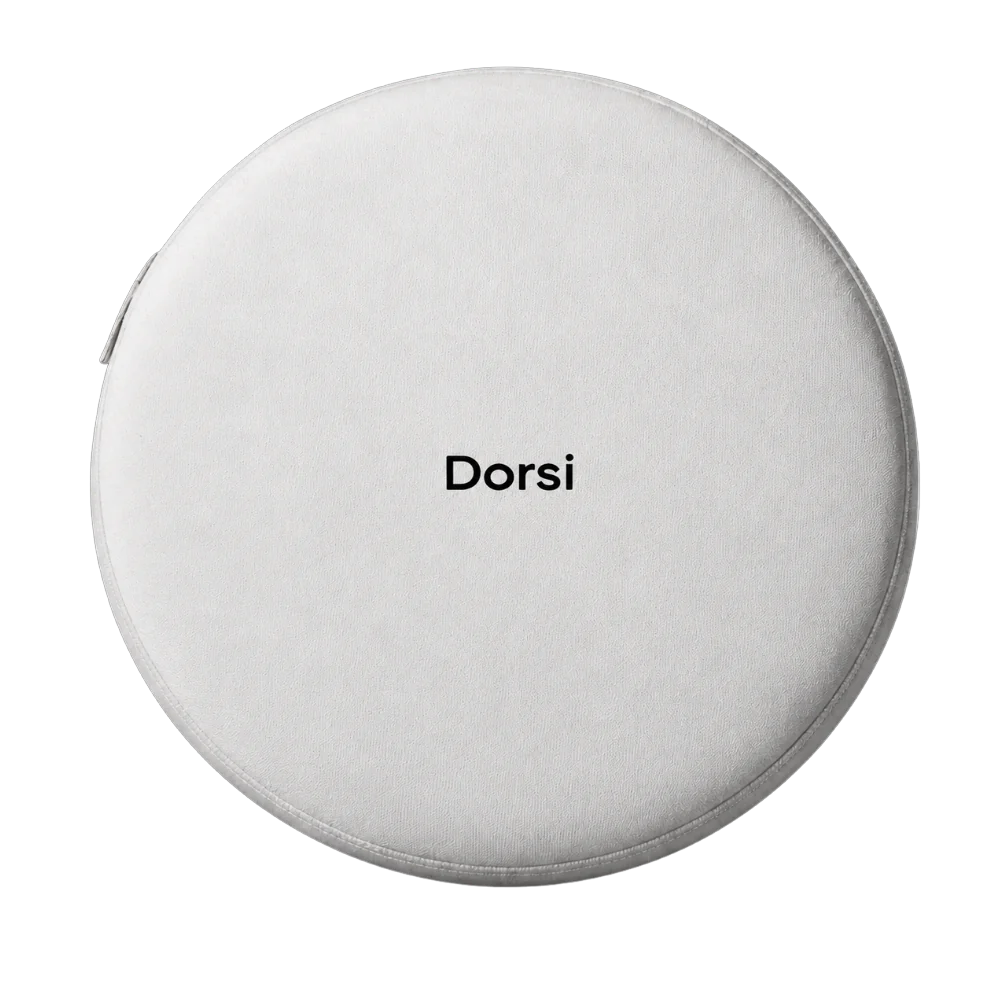
Lumbar cushion
Dorsi
Comfort and seated posture; not a medical device.
Dorsi


Guides on longevity, already online
Longer reads on life expectancy, walking, sleep and social ties, with their sources and dates.
- Healthy life expectancy: definition, France, Europe
- Healthy ageing research: what statistics and studies show
- Walking and longevity: what WHO and the studies say
- Social connection and ageing: what studies show
- How much sleep do you need? What the NHS says by age, and how to tell if you are short
Information page, not medical advice: talk to your doctor about any warning sign, and in a life-threatening emergency call your country’s emergency number, 911 in the United States, 999 or 112 in the United Kingdom and Ireland. Chutex is not an emergency service and its devices make no diagnosis.
Frequently asked questions
What is the difference between lifespan and healthspan?
Lifespan is how long you live. Healthspan is the part of that time lived in good health, without limits in daily activities. Longevity medicine focuses on the second.
What is longevity medicine?
An approach centred on prevention: sleep, movement, nutrition, social ties and the check-ups your doctor recommends, followed through trends and reference points. It is not a treatment and promises no particular lifespan.
Can Chutex tell me how long I will live?
No. Chutex does not estimate your lifespan. It shows trends and reference points on sleep, activity and body composition, and an estimated biological age that is a reference point, not a measurement and not a diagnosis.
What is estimated biological age?
An indicator of how well the body is doing, which can differ from your age in years. In the Chutex app it is always an estimate, built from your own data and shown with a margin, to be followed over time.
Does a longevity clinic replace my doctor?
No. Chutex is not a healthcare facility and does not replace a consultation. Talk to your doctor about any warning sign, and call your country’s emergency number in an emergency.
How much exercise should I do each week?
The WHO recommends at least 150 minutes of moderate-intensity physical activity per week for adults. Walking counts, and any amount is better than none.
Which devices follow these trends?
Elio follows heart rate, sleep, activity and recovery. Vita follows weight and body composition. Model I and Dorsi support strength and posture. Elio does not detect falls; Elder is the airbag vest that cushions the impact of a fall.
Go further
- Our doctors
- Scientific committee
- The clinic
- Health and prevention
- Editorial methodology
- About
- Seniors and caregivers
- App
- Guides
- Contact
Sources
- World Health Organization, “Ageing and health” fact sheet, 1 October 2025 (read on 27 November 2026)
- World Health Organization, “Physical activity” fact sheet, 4 November 2026 (read on 27 November 2026)
- Eurostat, healthy life years and life expectancy by sex, dataset hlth_hlye, updated 17 July 2026, year 2024 (read on 27 November 2026)
- Office for National Statistics, Health state life expectancies, UK, 19 February 2026 (United Kingdom, read on 27 November 2026)
- National Institute on Aging, “What Do We Know About Healthy Aging?”, reviewed 23 February 2022 (United States, read on 27 November 2026)
The Chutex devices
Elio, Vita, Model I, Elder and Dorsi: one page each, with what the device measures or protects and what it does not do.